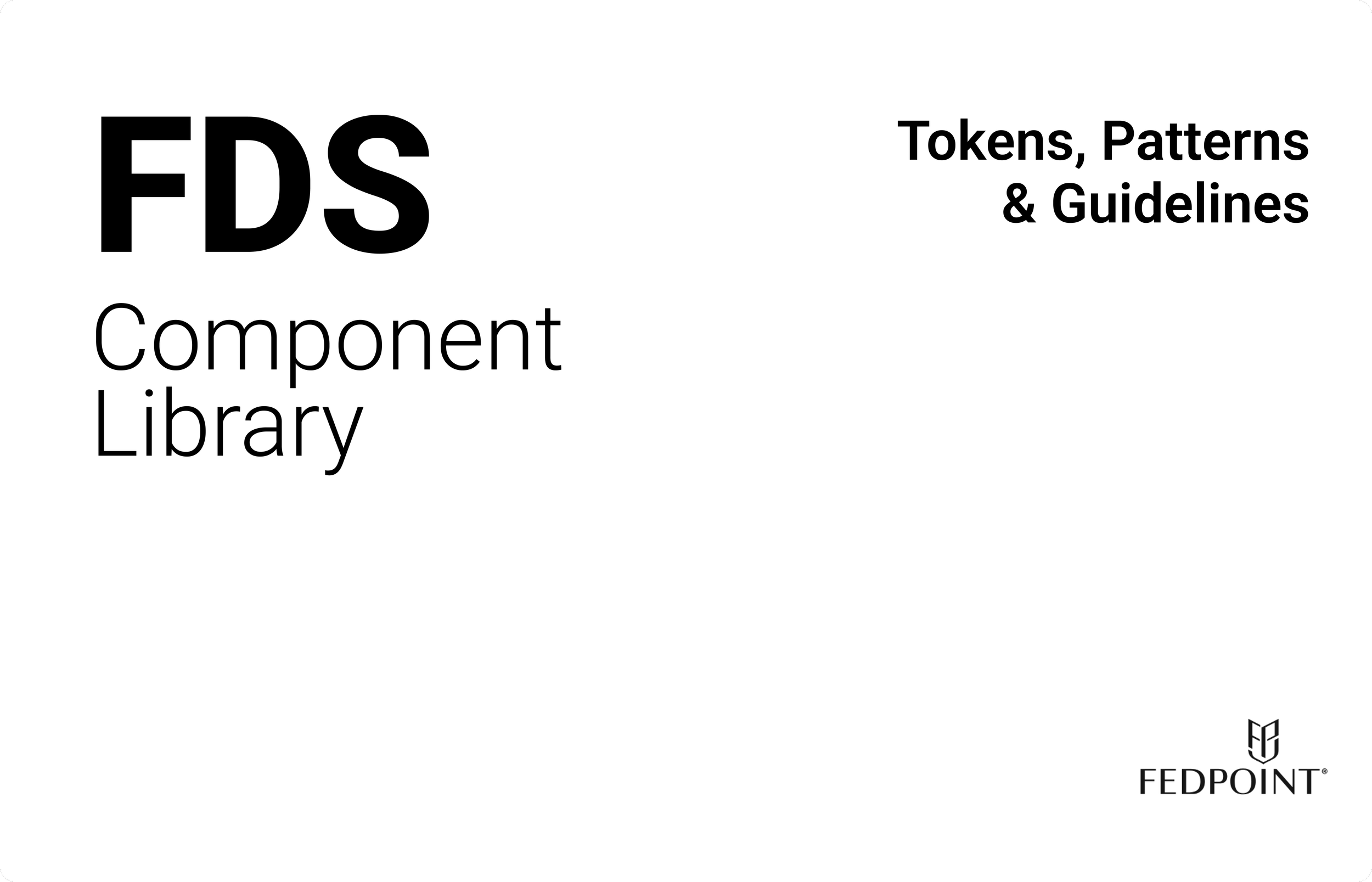
How I designed a scalable internal platform at FedPoint using a USWDS-Driven design system.
At FedPoint, I served as the primary contributor for creating a scalable design system primarily used for our internal business tools. Partnering with Andrew Zarbo and James Roth, we focused on 2 goals:
Build a design-dev product development process that can scale using the design system, and
Support business teams managing complex client data with clearer, better tools
For this project, I read the federal government’s design system documentation (designsystem.digital.gov) and used it as the core foundation. USWDS guided my setup of tokens, component patterns, documentation standards, and accessibility best practices.
Using this foundation, I was designing and documenting the initial components on Figma, publishing them, and simultaneously applying them directly to the internal tool’s wires.
These same components were adopted by the development team to develop the tool based on the wires, allowing design and engineering to work in parallel while weekly user interviews and testing were ongoing. This alignment led to faster product delivery, smoother collaboration, and a consistent experience across all internal products.
How I designed a scalable internal platform at FedPoint using a USWDS-Driven design system.
At FedPoint, I served as the primary contributor for creating a scalable design system primarily used for our internal business tools. Partnering with Andrew Zarbo and James Roth, we focused on 2 goals:
Build a design-dev product development process that can scale using the design system, and
Support business teams managing complex client data with clearer, better tools
For this project, I read the federal government’s design system documentation (designsystem.digital.gov) and used it as the core foundation. USWDS guided my setup of tokens, component patterns, documentation standards, and accessibility best practices.
Using this foundation, I was designing and documenting the initial components on Figma, publishing them, and simultaneously applying them directly to the internal tool’s wires.
These same components were adopted by the development team to develop the tool based on the wires, allowing design and engineering to work in parallel while weekly user interviews and testing were ongoing. This alignment led to faster product delivery, smoother collaboration, and a consistent experience across all internal products.
AI Technology Experimenting
From LLMs to vibe coding to building a utility tool. Exploring the future of intelligent creation.
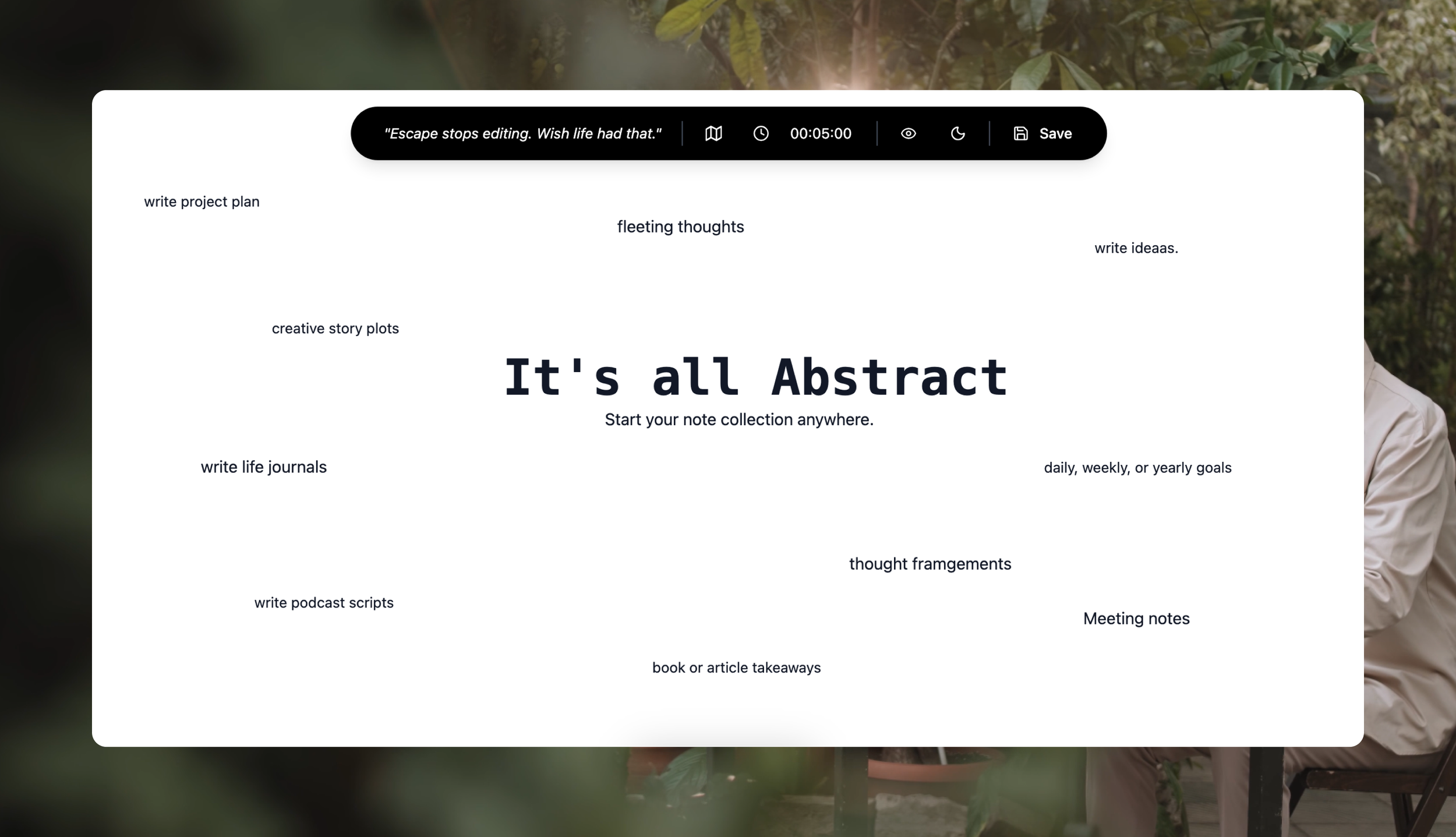
Abstract
I’m building this utility tool using AI technology to make your note-taking experience noiseless.


Problems solved in the Industries.
Streamlining processes & creating user-centric solutions.
Automotive ERP Module @ Tekion Corp
My successful attempt at scaling one of the challenging manual workflows at Tekion Corp, improving the setup completion time by 80%.

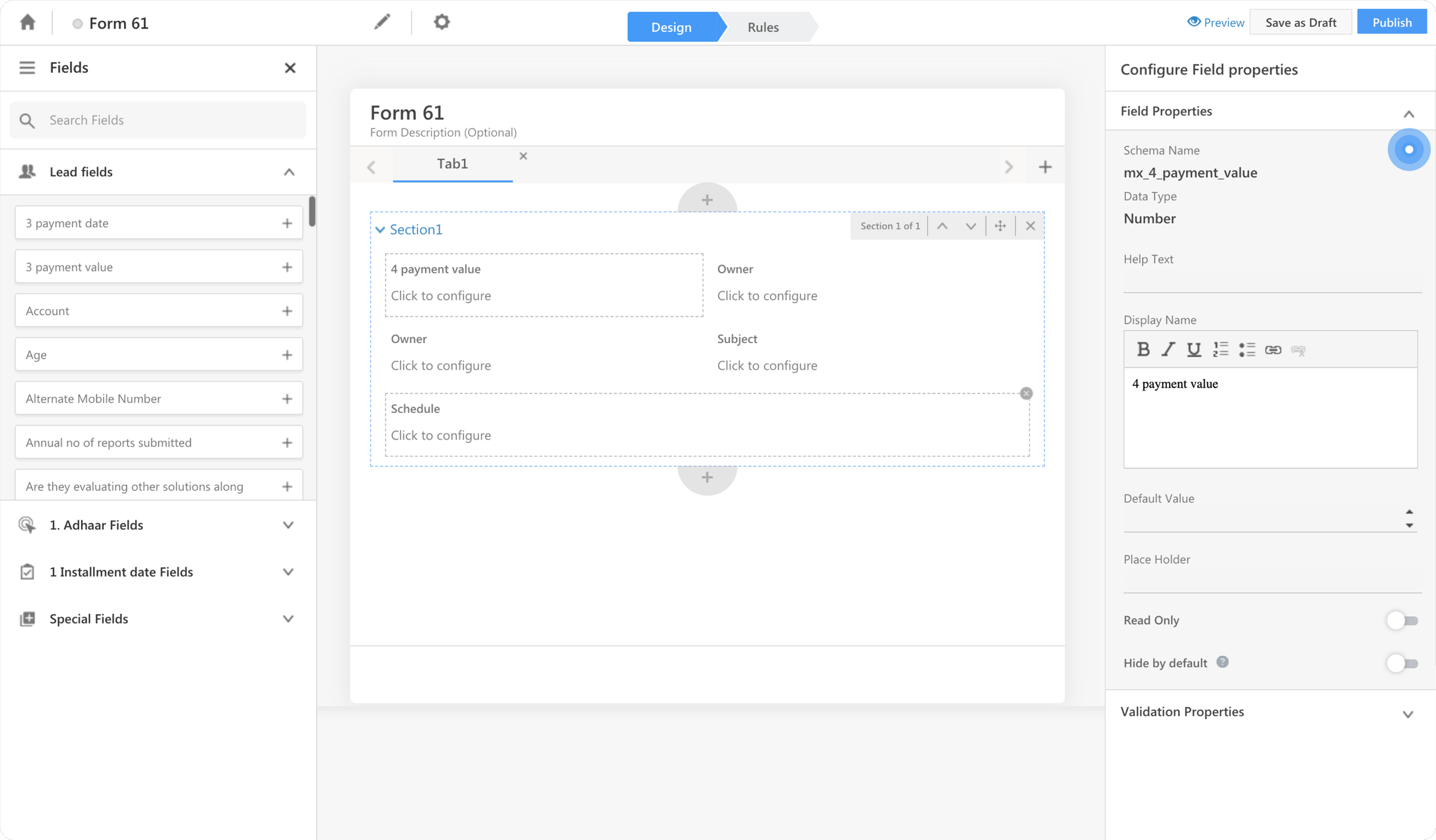
Intelligent Data Collection @ LeadSquared
I created a tool for account administrators to create intelligent forms capturing lead data, resulting in 42% faster setup completion.
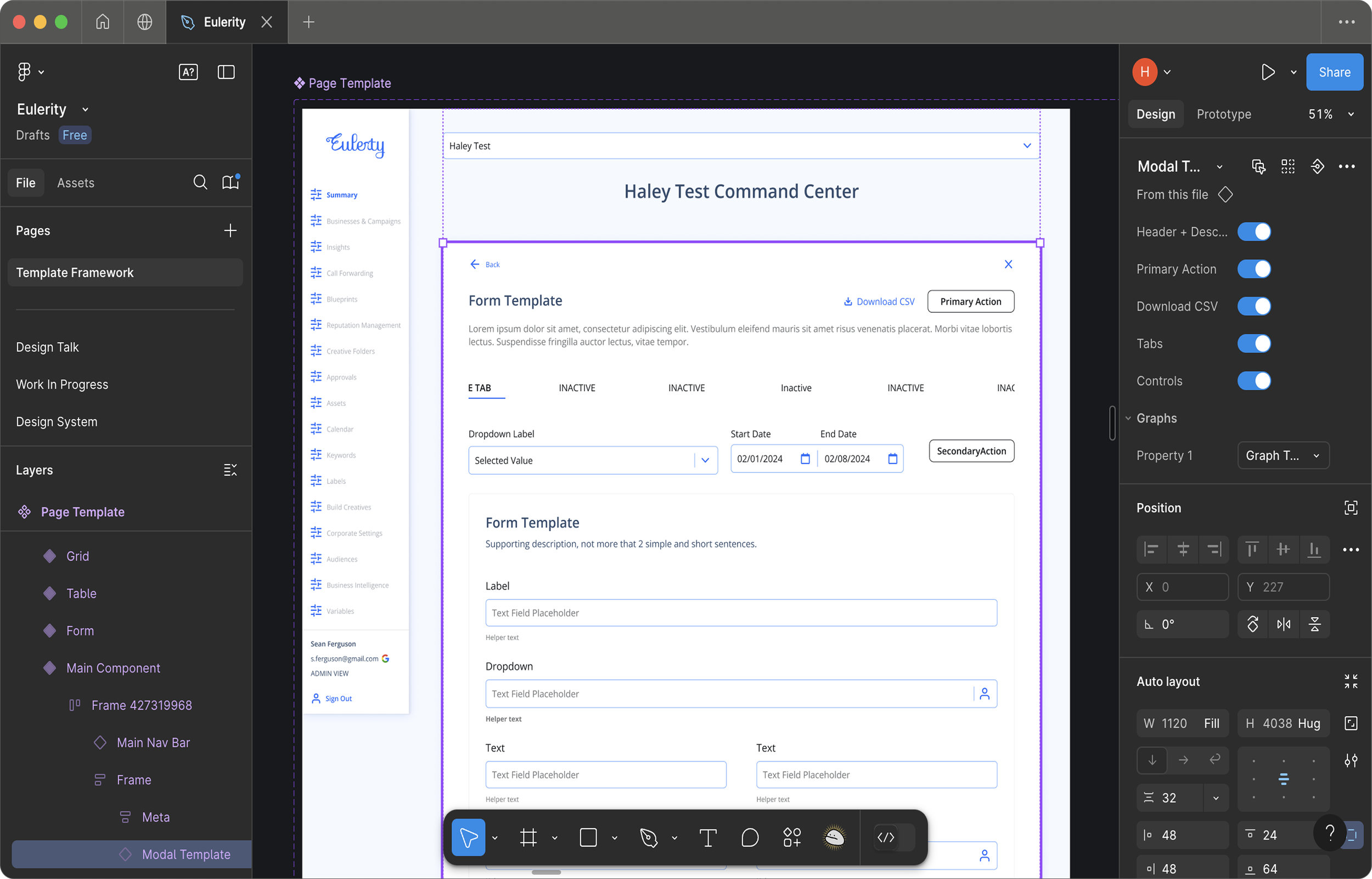
Template Framework @ Eulerity
I built a UI template framework for the design system, speeding up the product-design handoff process by 50% in sprint deliverables.
How I approach UX Solutioning.
From requirements to delivery.
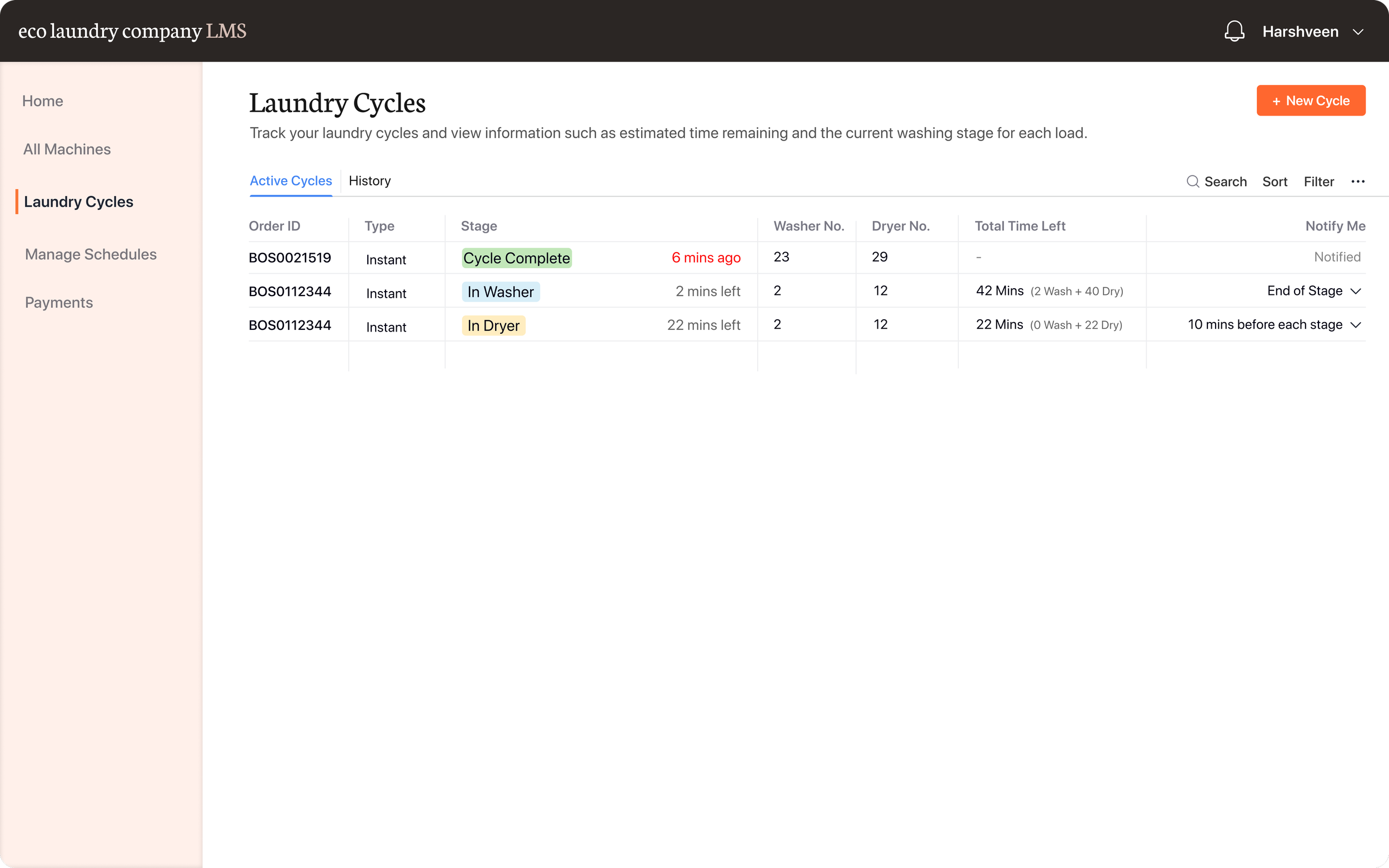
Handling LMS workflow challenges
End-to-end process for feature design, focusing on a streamlined Laundry Management System (LMS) tailored to optimize laundry operations.
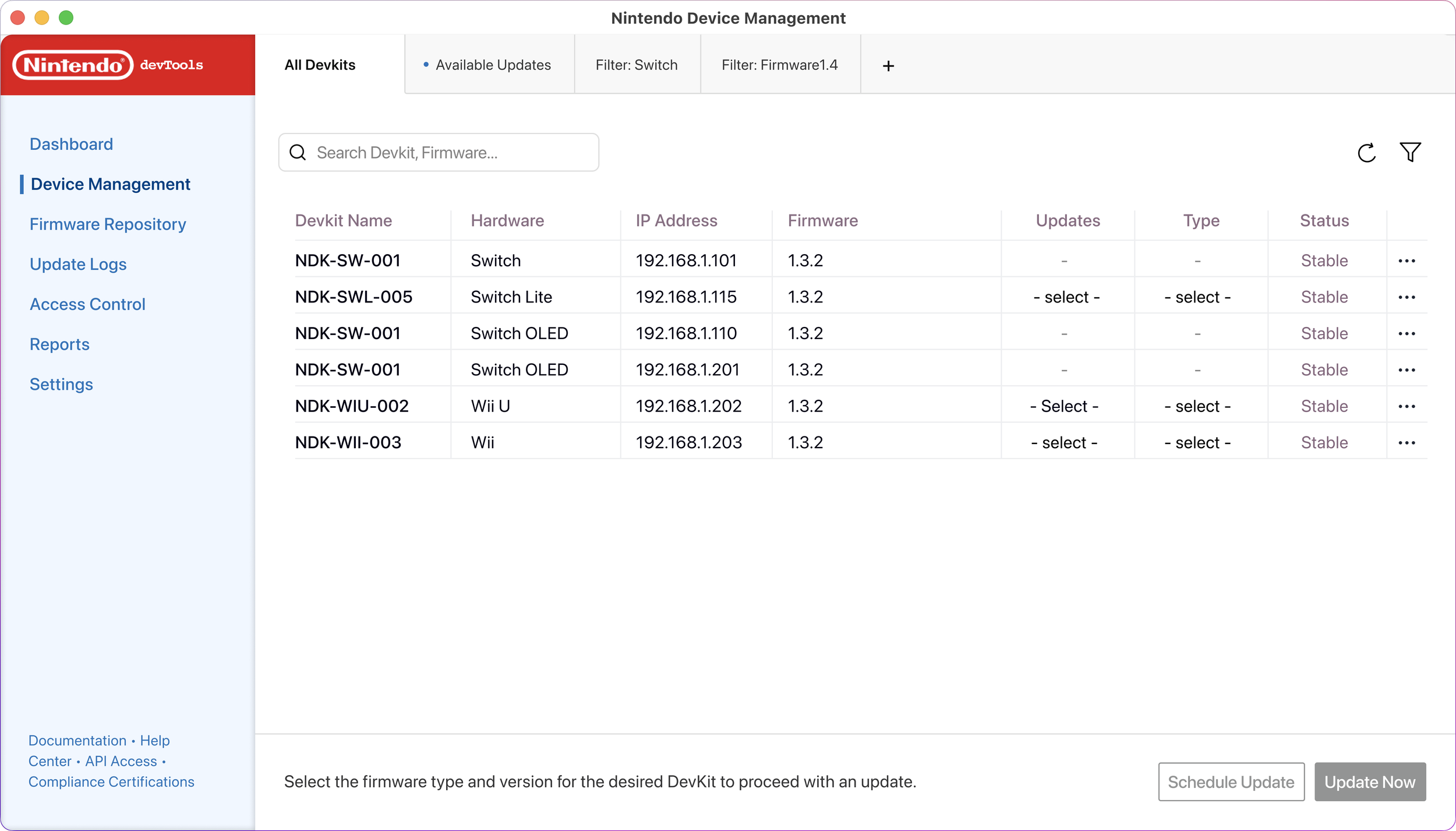
Handling bulk updates on Dev Tools
Addressing a challenge in the Developer Tools environment: enabling users to bulk update firmware across multiple consoles.
Researching user behavior patterns.
Guiding design decisions through insights.
Data-Driven Accessibility & Inclusivity Research @ Zara
This research study highlights the importance of accessibility, specifically in digital products, to support users with varying abilities.

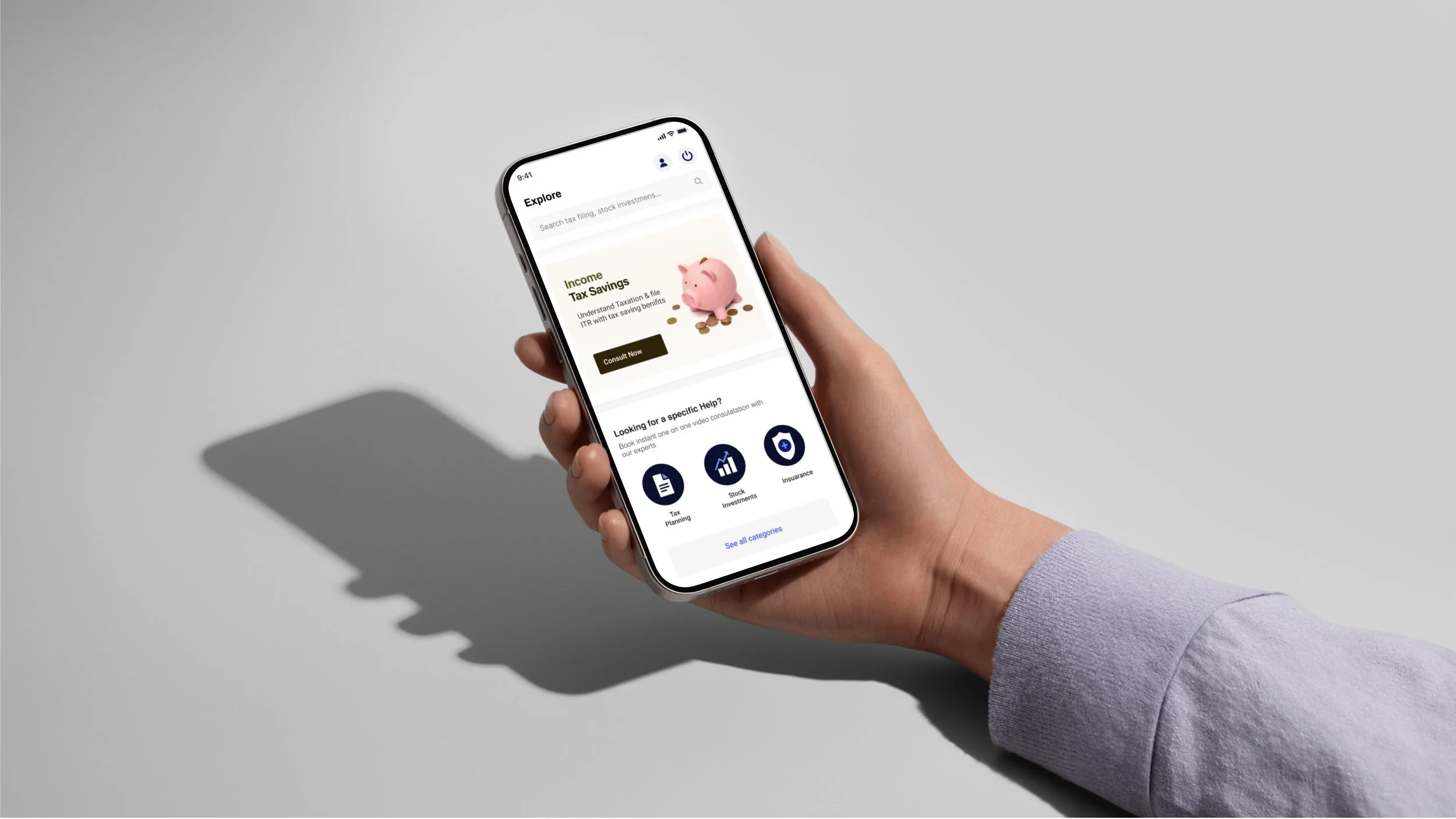
Rethinking Financial Advisory @ Fince
I solutioned for the 68.7% who struggle with financial decisions.
Design Talk
How does Progressive Disclosure help decision-making?
For Eulerity’s Weekly Talk, I presented on human psychology in data perception. Progressive Disclosure 101.

Others
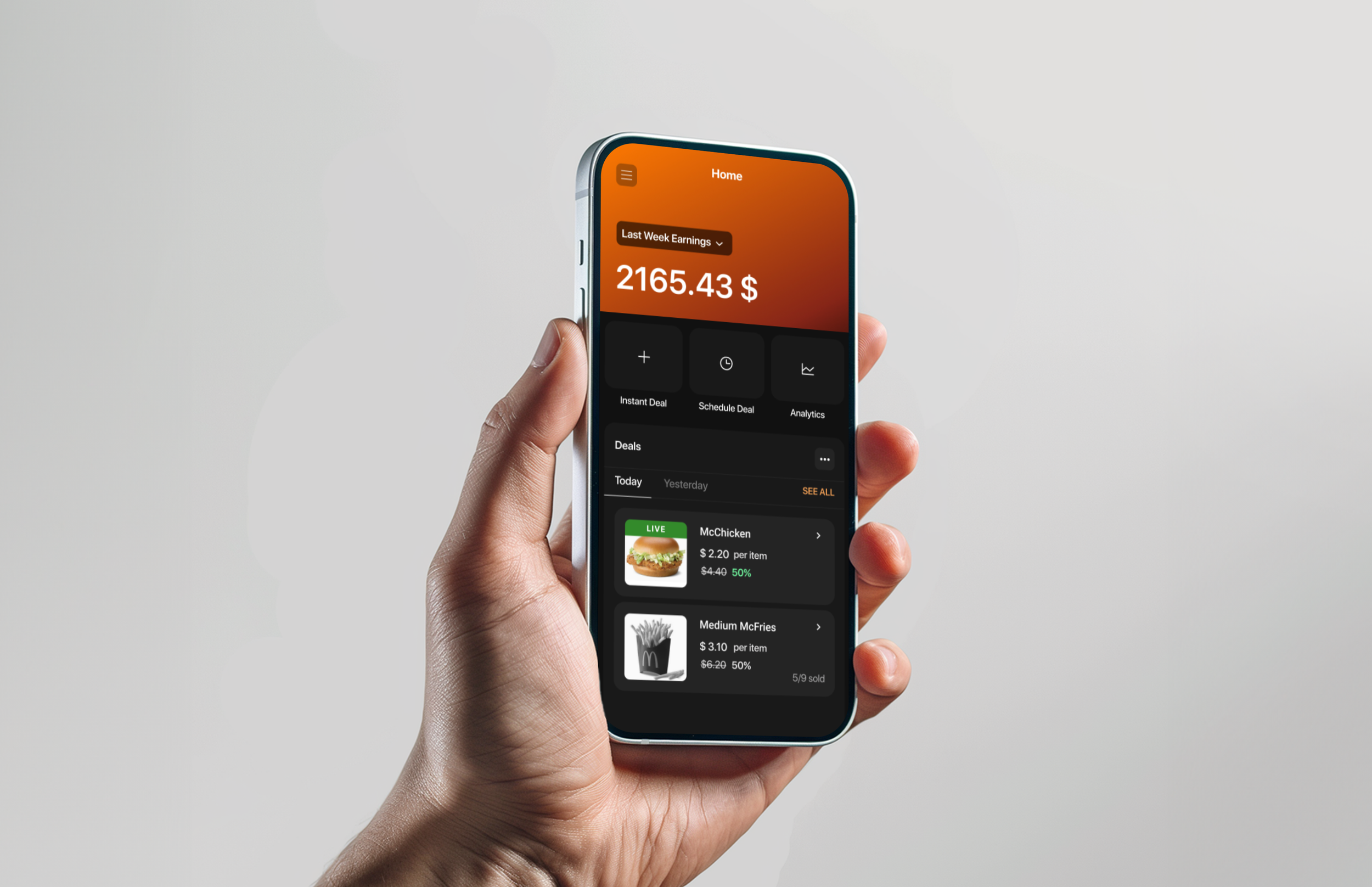
Thrifty Table, Business Accelerator
Studied & applied the 5 planes of UX to design a solution for fast food vendors in the US.
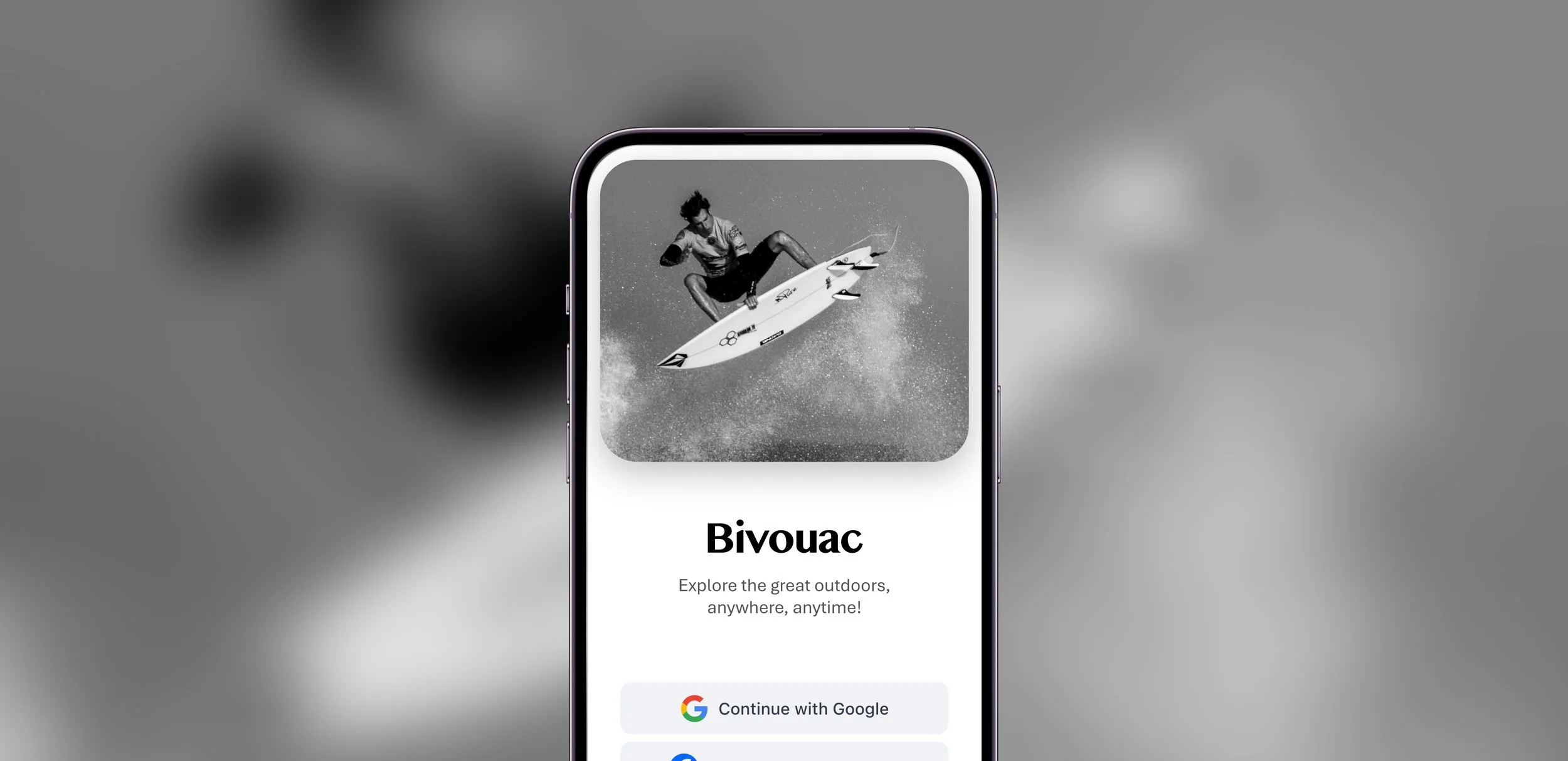
Journaling Made Easy @ Bivouac
Created a journaling experience that feels as natural as storytelling.
UX Engineering: Developing Dominex
I helped develop a portal for drug researchers to determine if a drug is safe and effective as a treatment for certain conditions.

Licenses & Certifications
Accessibility for ICT Government Executives
Section508.gov
Enterprise Design Thinking Practitioner
IBM
Exploring AI Workflows within Figma Design
LinkedIn
Foundations of UX
Google
Introduction to AI
Google
Innovation Through Design: Think, Make, Break, Repeat
Discipline of International Business, The University of Sydney Business School
Enterprise Design Thinking
IBM
Design Tokens: Powering your Design System
Interaction Design Foundation
Industries
Federal Benefits Programs
FedPoint USA
2025 - Current
AI Prediction Platform
Next Play
2025
Ad-tech Platform Growth
Eulerity
2024
ERP Platform Experience
Tekion
2021 - 2022
Fintech/Banking B2C Enterprise
Kristal.AI
2019 - 2021
CRM Platform Experience
LeadSquared
2018- 2019
Education
Graduate, Information Systems (Major: HCI)
Northeastern University
2022 - 2024
Bachelors, Engineering (Major: ECE)
SRM Institute of Science & Technology
2014 - 2018
Online, Human-computer Interaction
Interaction Design Foundation
2024